
Whether you’re training for a specific event or want to keep doing what you love without pain holding you back, we support athletes of all levels — from recreational runners to competitive sports teams.
Acupuncture may help manage some types of pain and support recovery alongside appropriate rehabilitation. We take an individual approach to training-related aches, muscle tension and injury recovery, with practical advice on movement, nutrition and recovery habits where appropriate.
In Traditional Chinese Medicine (TCM), intense training is understood to draw on the body’s Qi. Treatment aims to support balance and recovery, helping you look after your body as you work towards your sporting goals.
Not sure where to start? Take our free 2-minute health assessment for personalised recommendations. When you’re ready, book your first appointment online. This includes a full consultation and treatment, looking at your symptoms, lifestyle and health history.
At The Get Well Clinics acupuncture is affordable at £42 a session.
★★★★★
“Jason is really knowledgable and has delivered great treatment.” Natalie

“If your an athlete looking to optmise your health, performance and recovery visit The Get Well Clinics.” Reece
★★★★★
“High-quality acupuncture treatments at affordable prices.” Maurizio
★★★★★
“Welcoming and tranquil space that’s affordable to have professional treatment in a community clinic.” Lucy
Individual patient experiences. Results vary.
What We See in Athletes
Most of what we see in athletes is not dramatic injury. It is the accumulation of load, the niggle that has been there for six weeks, and the recovery that has not quite kept pace with the training.
What People Come in With
- Overuse injuries and repetitive strain from training load
- Niggles that flare with volume and settle with rest, then return
- Old injuries that healed but still limit how you move
- Compensation pain elsewhere, from favouring one side
- Poor recovery between sessions, and stalled progress
What You May Be Feeling / Experiencing
- Pain that comes on at a particular point in a session
- Stiffness first thing, or the day after training
- Swelling, heat or bruising around the area
- Guarding or altering your technique without meaning to
- Disrupted sleep, and frustration at losing training time
Get medical help first if you suspect a fracture, cannot bear weight, or have a wound or surgical site that is hot, swollen or discharging.
Acupuncture works alongside that care, not instead of it.
Source: NHS, ‘Sprains and strains’ and sports injury guidance.
How Acupuncture Works for Performance and Injury
We look at your injury in the context of your whole health and how you want to get back to moving. Instead of quick fixes, we look at what contributed to the injury alongside supporting your recovery goals.
Acupuncture can also be good for providing pain relief, and many patients come to us for that reason, be it chronic pain or injury (Vickers et al., 2018).
As to why acupuncture works for training and injury, researchers point to several mechanisms:
- Supporting circulation and easing muscular tension: a systematic review found acupuncture increased local blood flow in muscle and skin, particularly in muscular pain conditions (Kim et al., 2016), bringing oxygen and nutrients to the tissue that needs them and easing tension around an injury.
- Calming the nervous system: pain and the stress of being injured keep the nervous system in alert mode. Acupuncture is aimed at the parasympathetic “rest and restore” side of that system, and a meta-analysis of 9 randomised trials found it affected heart-rate variability and parasympathetic activity (Hamvas et al., 2023).
- Strength and flexibility: the evidence here is early rather than established. A review of acupuncture and dry needling in sports medicine reported possible improvements in muscular strength, power and flexibility, while noting more high-quality studies are needed (Tang CT, Song B. Current Sports Medicine Reports. 2022;21(6):213-218).
- Recovery between sessions: the same review covers acupuncture’s use in routine recovery, including delayed onset muscle soreness, and notes needling has a high degree of safety with limited adverse events in athletes (Tang & Song, 2022).
- Releasing endorphins: research points to the release of endogenous opioid peptides, including endorphins, the body’s own pain-relieving chemicals (Han, Neuroscience Letters, 2004).
Individual results vary. These findings are not a guarantee of outcome for every patient.
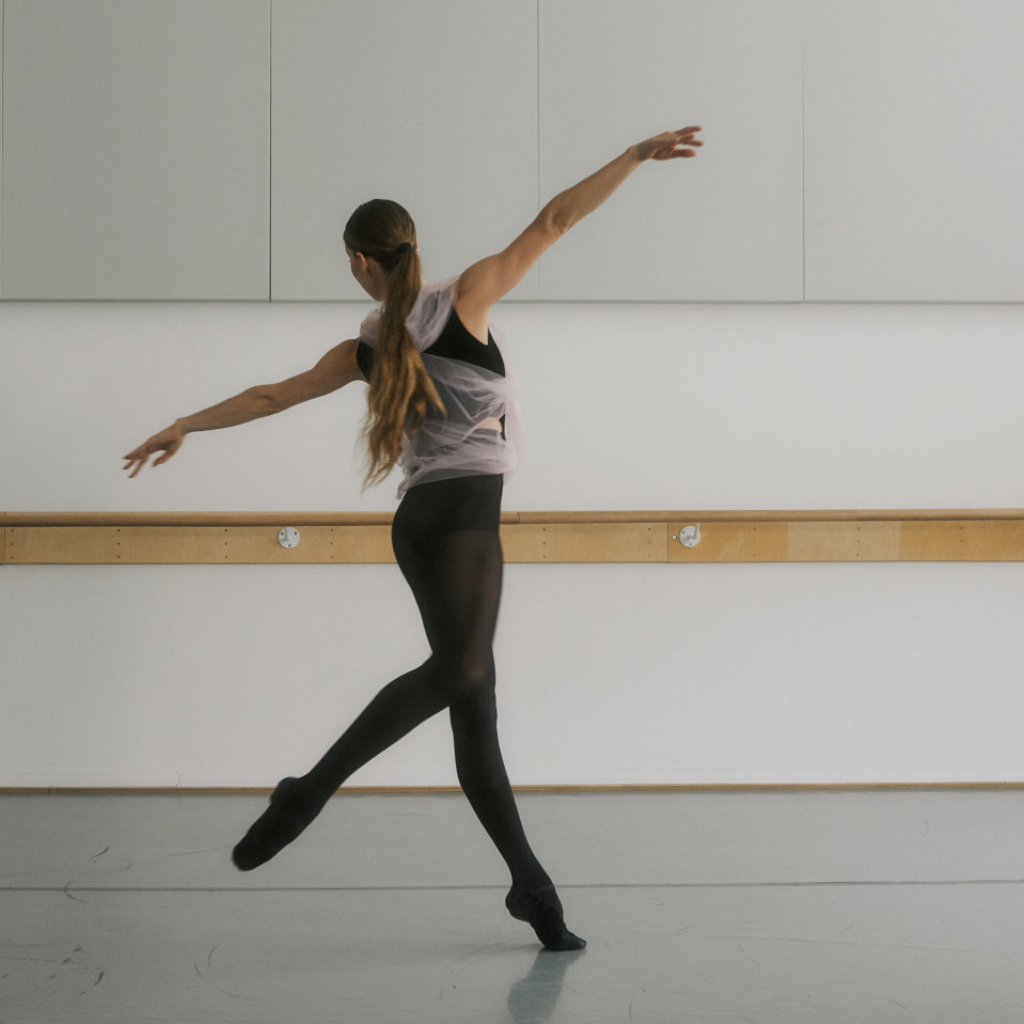
Training Consistently, Not Just Recovering

The aim is to keep you training rather than cycling between injury and rest. Alongside treatment, we also offer:
- Rehabilitation: custom exercises to restore strength, balance and flexibility.
- Movement and load guidance: looking at how you train and where the strain is landing, so you can adjust load before it becomes an injury.
- Stress relief: breathwork, meditation and mindfulness to help you settle. If you’ve had acupuncture before, you may have experienced how relaxing a treatment can feel.
- Nutrition coaching: simple food strategies to support recovery between sessions.
- Personalised plans: built around your sport, your training calendar and what you are working towards.
Meet Our Specialist
Jason Crowl LicAc MBAcC
Jason uniquely combines his 11+ years of training in corrective exercise and movement therapy with traditional acupuncture techniques. As a result, patients often experience improved mobility, reduced pain, and greater energy after treatment.
Whether you’re an athlete recovering from injury, or dealing with long-term neurological concerns, Jason’s holistic method blends modern rehabilitation strategies with time-tested acupuncture to support your health naturally.
He regularly supports patients dealing with:
Lower back and neck pain
TMJ (jaw pain) and tension headaches
Frozen shoulder and post-surgical recovery
Fibromyalgia and nerve-related symptoms (e.g., drop foot, loss of sensation)
PMT (premenstrual tension) and fluid retention (edema)

Flavio Cabral
3 months ago
The service I received was unhurried, kind, personal, as well very educative from both treatments I had on full body and head only (ear). I strongly recommend it.

Mdm Pleguebyrne
3 months ago
I first came to the Gate Well Clinic last year, and it was a fantastic experience. I'm now back again to help get myself back on the healthy path I was on before.
I feel that we live in a very different world compared to a couple of generations ago. Life moves at such fast pace, and much of our food has been depleted of its nutrients or replaced with ultra-processed alternatives, making it increasingly difficult to maintain good health.
Coming back to the clinic is helping me regain control of my health. The acupuncture treatment with George, together with the guidance and natural supplements he recommends, have given me the support I need to feel better, more balanced, and more in tune with my body.
I'm truly grateful for the care, knowledge, and support that George and the whole team provide. I would highly recommend the Gate Well Clinic to anyone looking to take a more natural approach to improving their overall health and well-being.

Tom Tom C
5 months ago
I have been seen by the fantastic Luke Warburton for a year for acupuncture & bodywork. He combines both skills in treatment at the get well clinics in Paddington. His knowledge really helps me maintain my health conditions like Fibromyalgia and osteoarthritis and anxiety. The get well clinics is my go to comfort zone for well being. Tom

Vincent Crooks
5 months ago
It's so good to have a place like the getwell clinic which for me is acceptable,affordable, clean and pleasant, with experience and professional practioners ,with the knowledge to read and diagnose ailments,
Vincent Crooks.

Emma Williamson
6 months ago
Marion is an excellent acupuncture therapist - I have really benefited from her treatment and highly recommend her.

Daria
8 months ago
Very good services at affordable prices. Acupuncture treatments have been helping me to balance my energy - either to bring it up or down depending on how I was feeling. Sheree is very helpful.

Fiona Blakeman
9 months ago
I couldn’t recommend this highly enough and I’m very grateful that this service is available in my local community. I’ve had a lot of experience receiving acupuncture, and despite the heavily discounted cost, the level of care, attention, and quality of treatment is exceptional.
The initial consultation is carried out privately, with treatments taking place alongside other patients. The setting is calm and peaceful, and I felt very safe and supported by both the practitioner and the environment overall.

Lucy Brook
11 months ago
This was a first time trying acupuncture, in a welcoming and tranquil space that's affordable to have professional treatment in a community clinic. I have several issues with my spine and I came initially with my sciatica pain at a 10 so severe for months struggling to walk and cope with daily functioning using mobility aids. I felt a major difference in pain relief after the first treatment and by the third session it has drastically reduced to a 2 and sometimes no pain on good days.
George is excellent and I feel so thankful, his knowledge and recommendations has been helpful and I've slowly been implementing. I come away from the sessions feeling relaxed and able to sleep better. I look forward to continuing my journey of pain relief, health and wellbeing, plus getting some normality slowly back in my daily life and functioning.

Elisa R
11 months ago
I went for several sessions this year to help with an extra heartbeat caused by stress. I also changed my lifestyle slightly, but acupuncture definitely made a difference. It takes time and trusting the process, and since I’m not used to slowing down, having this dedicated ‘me time’ was exactly what I needed.
John and Marion are knowledgeable, kind, and genuinely take the time to listen. I love how welcoming the community clinic is, and I always felt in very good hands.
Thank you to both of them, I’d definitely recommend it to anyone looking for support with stress or overall well-being.

Lucia Krupova
6 months ago
If you are preparing for IVF or struggling with back pain, you need to book an appointment with John.
I was a little bit worried about sharing room with other people but the place is incredibly peaceful which is exactly what you need when dealing with the stress of fertility treatments.
I came in for fertility support and a bad back, and I am amazed at how quickly it worked.
It only took a few sessions for my back pain to disappear entirely, and my periods are now perfectly on schedule. It has given me so much peace of mind and physical comfort heading into my IVF cycle.

Camilla Cooper
8 months ago
Get Well Community Acupuncture clinic is absolutely incredible. I’ve had really healing and helpful treatments with both Phil and Luke who are both exceptional & extremely caring practitioners. I can’t recommend this clinic enough for all your Community Acupuncture needs.

Maria del Mar Arranz Martin
11 months ago
Excellent service and professionals

John Watson
12 months ago
Very sympathetic and thoughtful treatment from Marion. I like the no-nonsense (and affordable) approach of having a communal treatment room. You still get plenty of attention and then lie and relax with the needles in whilst other people are attended to.

Vicki Zhang
1 year ago
Marion is super attentive and skilful - would highly recommend her to anyone considering acupuncture.

Sehr schön
2 years ago
I landed at Paddington location in Marion Rolling’s magical hands at the end of Jan 25.
I had high anxiety, heart palpitations and frequent migraines. I was always on high alert expecting a catastrophe at every corner and on the verge of tears at all time.
After a few Acupuncture sessions with Marion, my anxiety is manageable , I have more energy and I go for days without my previous symptoms. Also have not had a migraine since then.
I’m looking forward to seeing Marion a few more times this spring to help me with my hayfever.
Can’t recommend them enough. Thank you 🙏

Isabel Pitcaithly
2 years ago
Recently I attended The Get Well Clinic in Paddington where I had 3 accupuncture sessions a week apart with the very knowledgeable Marion Rollings. I did my homework before choosing Marion who has trained extensively including 7 years in China. I was impressed with how she managed to remember all I had told her in pre treatment forms and lying there relaxing with the needles in place ( completely painless) I could tell she remembered all about her other patients. I felt very relaxed and well cared for.
I had a problem with my ankle/foot which was very debilitating and this has greatly improved. I am so pleased as I was afraid to go out in case I suddenly couldn't walk any more. I no longer have this problem.
I was also concerned about headaches which seemed to take over my life. I can honestly say since the first treatment up to now several weeks down the line I have only had one headache which for me is amazing !!
To anyone considering a treatment with Marion go ahead. You will not be disappointed !!!
I plan on further treatments for my back when I have finished work in the garden. Isabel 76
Common Questions Answered
That is a lot of what we see. Training hard without recovery catching up shows up as poor sleep, lingering soreness and sessions that feel harder than they should. We look at the whole picture rather than waiting for it to become an injury.
Yes. Acupuncture is intended to be used alongside conventional treatment, and many patients have it while taking prescribed medication or having talking therapy. Never stop or change your medication without speaking to your GP first, and do tell us what you are taking so we can plan around it.
Usually, though many patients prefer a lighter session afterwards, as treatment often leaves people quite relaxed. Tell us your training schedule and we will plan around it, including around competition dates.
Acupuncture works by building change slowly over time, small shifts that add up, rather than one big fix. Everyone is different, but most patients start to notice a difference after several regular sessions rather than a single visit.
Why Choose Our Low Cost Acupuncture Clinics in London?
Expert
Our highly qualified acupuncturists, without the private clinic price tag.
Whole-body approach
We use traditional acupuncture diagnostic principles to look at your symptoms in the context of your whole health, not just the area that hurts
Convenient locations
Our clinics in Camberwell and Paddington are close to bus, train, and Tube lines, so getting here is simple.
Acupuncture Articles
You don’t need to understand how acupuncture works for it to work. But if you’re curious about the science, we’ve linked some articles below, with more on Traditional Chinese Medicine in our Articles section.
Acupuncture can be difficult to study. Researchers use sham acupuncture as a control, with needles placed away from recognised acupuncture points, but these “fake” points can still have an effect. Many studies are also small because research funding is limited. This means some conditions have not yet been studied at the scale needed for firm conclusions. That is not the same as acupuncture being tested and failing.
Where high-quality, large-scale research has been carried out, the evidence is much stronger.
Acupuncture for chronic pain
Vickers AJ, et al. Acupuncture for chronic pain: update of an individual patient data meta-analysis. The Journal of Pain. 2018;19(5):455-474. Thirty-nine trials, 20,827 patients.
Acupuncture for local blood flow
Kim SY, et al. Acupuncture and local blood flow in muscle and skin: a systematic review. Evidence-Based Complementary and Alternative Medicine. 2016.
Acupuncture and the stress response
Hamvas S, et al. Acupuncture and heart rate variability: a systematic review and meta-analysis of 9 randomised controlled trials. 2023.